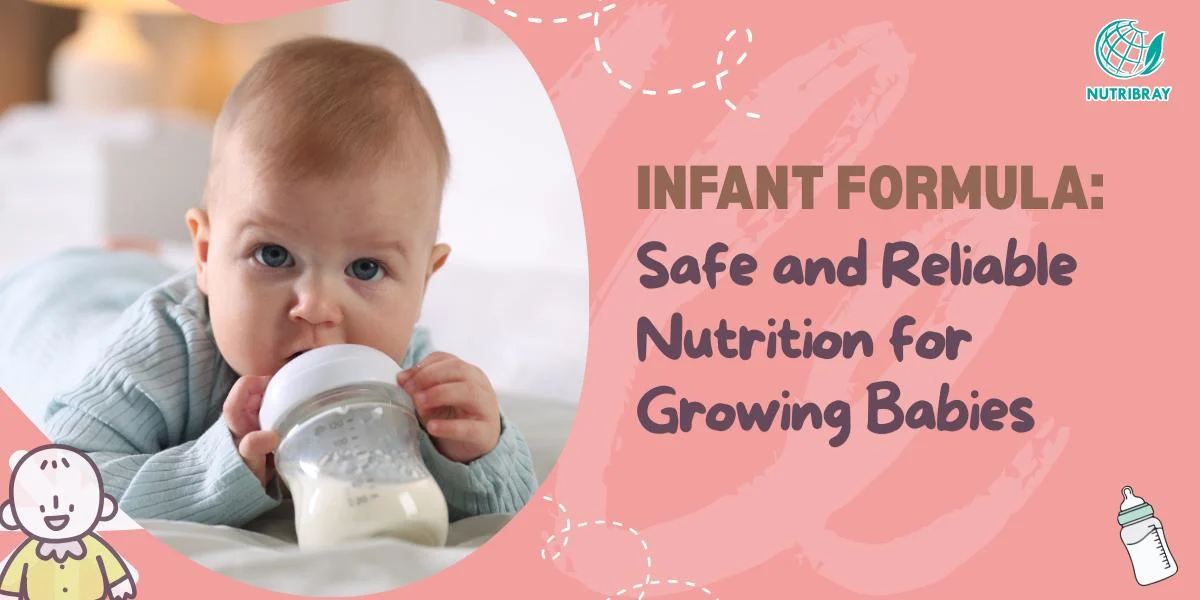
Every baby deserves the right nutrition for healthy growth and development. While breast milk is the best source of nourishment for infants, there are situations where breastfeeding may not be possible or sufficient. In such cases, infant formula provides a safe, nutritionally balanced alternative to support a baby’s needs during the early months of life.
Infant formula is carefully developed to meet the nutritional requirements of babies and ensure proper growth, digestion, and immunity.
What Is Infant Formula?
Infant formula is a specially manufactured milk substitute designed to closely resemble the nutritional composition of breast milk. It contains a balanced mix of proteins, carbohydrates, fats, vitamins, and minerals required for an infant’s healthy development.
Infant formula is commonly recommended when:
- Breast milk is unavailable or insufficient
- The mother cannot breastfeed due to medical reasons
- The baby has specific nutritional needs
- Supplementary feeding is required
Modern infant formulas are developed using scientific research and strict quality standards to ensure safety and effectiveness.
Types of Infant Formula
There are different types of infant formula to meet various baby needs:
- Standard infant formula for healthy, full-term babies
- Hypoallergenic infant formula for babies with milk protein sensitivity
- Lactose-free infant formula for lactose intolerance
- Preterm or LBW infant formula for premature or low birth weight babies
Choosing the right type of infant formula should always be done in consultation with a pediatrician.
Benefits of Infant Formula
1. Complete and Balanced Nutrition
Infant formula provides essential nutrients such as proteins, fats, iron, calcium, and vitamins required for growth and development.
2. Supports Brain Development
Most infant formulas are enriched with DHA and essential fatty acids that support brain and visual development.
3. Promotes Healthy Growth
Proper nutrient balance helps babies gain weight steadily and grow according to developmental milestones.
4. Supports Digestive Health
Specially processed ingredients make infant formula easier to digest, reducing feeding discomfort.
5. Strengthens Immunity
Added vitamins and minerals help support the developing immune system.
How to Choose the Right Infant Formula
When selecting an infant formula, consider:
- Your baby’s age and health condition
- Pediatrician recommendations
- Nutritional composition and quality standards
- Absence of unnecessary additives such as added sugar
Always follow preparation instructions carefully to ensure safe feeding.
Safe Use of Infant Formula
- Wash hands before preparation
- Use clean, sterilized bottles
- Follow correct water-to-formula ratios
- Store prepared formula safely
- Discard leftover formula after feeding
Proper preparation is essential to ensure your baby’s safety and health.
Infant Formula and Breastfeeding
Infant formula is designed to support babies when breastfeeding is not possible or needs to be supplemented. Breast milk remains the preferred choice whenever available, and formula should be used responsibly under medical guidance.
Infant formula plays an important role in supporting infant nutrition when breast milk is unavailable or insufficient. With scientific formulation and strict quality control, it offers a reliable and safe feeding option for growing babies.
Choosing the right infant formula ensures your baby receives the nutrition needed for a strong start in life — supporting healthy growth, development, and well-being.
Because proper nutrition in the early months lays the foundation for a healthier future.